
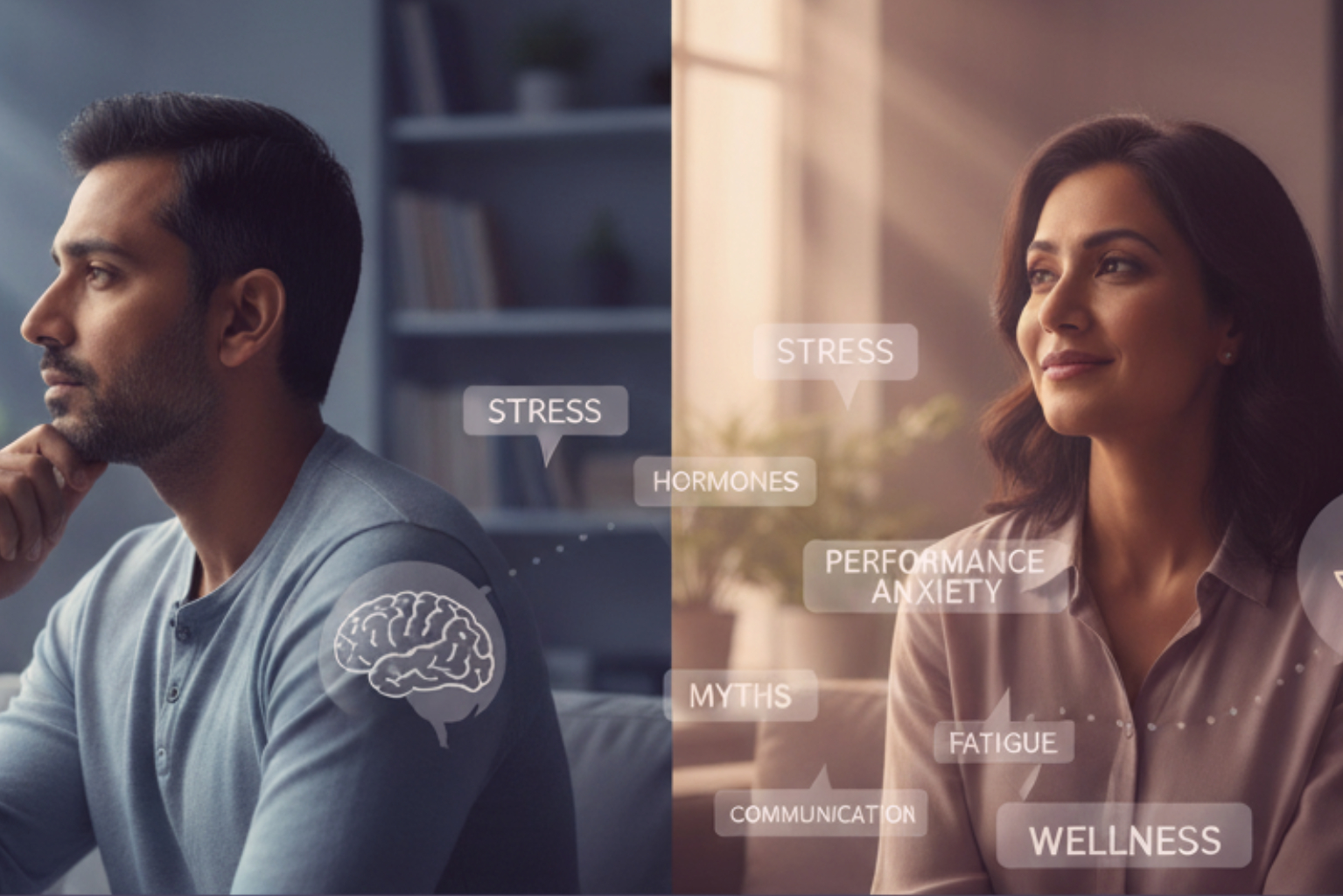
Understanding Low Libido

Low libido, or reduced sexual desire, can silently impact relationships, emotional well-being, and overall quality of life. Sexual desire is influenced by both physical and psychological factors, and a drop in libido is common among men and women at different stages of life.

At our clinic, under the expert guidance of Dr. Arjun Sablok, one of Delhi’s leading sexologists, we provide a comprehensive assessment and personalized treatment options for low libido, combining modern medicine, counseling, and lifestyle interventions.


What is Low Libido?

Low libido is a recurring lack of sexual desire, distinct from erectile dysfunction or other sexual performance issues. Individuals may be physically capable of sexual activity but lack the desire to engage in it.

It can result from hormonal imbalances, psychological stress, lifestyle factors, or medical conditions.


Early Symptoms: What to Look Out For

  • Reduced interest in sexual activity
  • Fewer sexual thoughts or fantasies
  • Lack of pleasure during sexual encounters
  • Emotional distance from partner
  • Decreased arousal even with stimulation

If you notice these symptoms, consulting a sexologist early can prevent long-term relationship or health issues.


Who is at Risk?

Low libido can affect anyone, but certain factors increase risk, including:

  • Hormonal changes such as low testosterone in men or menopause in women
  • Stress, anxiety, or depression
  • Chronic illness such as diabetes, obesity, or cardiovascular disease
  • Medication side effects (antidepressants, blood pressure drugs, etc.)
  • Relationship conflicts or unresolved emotional issues

Diagnosis: Comprehensive Assessment

At our clinic, Dr. Arjun Sablok performs a thorough evaluation including:

  • Detailed medical and sexual history
  • Hormone testing (testosterone, thyroid, and others)
  • Psychological assessment for stress, anxiety, and depression
  • Lifestyle and relationship evaluation

This ensures an accurate diagnosis and a treatment plan tailored to individual needs.


Treatment Options: From Counseling to Medical Interventions

Treatment depends on the underlying cause and may include:

1. Lifestyle and Behavioral Changes

  • Stress management through meditation, yoga, or mindfulness
  • Regular exercise and a balanced diet to boost energy and circulation
  • Improved sleep and reduction of alcohol or drug use
  • Open communication with partner to address intimacy issues

2. Counseling and Therapy

  • Sex therapy to address performance anxiety or relationship conflicts
  • Cognitive-behavioral therapy (CBT) for stress or depression-related libido loss

3. Medical Interventions

  • Hormonal therapy (e.g., testosterone replacement) for deficiencies
  • Medications to improve blood flow or sexual response if required

Why Choose Dr. Arjun Sablok?

  • Over 20 years of experience in sexual health and therapy
  • Specialist in treating complex sexual disorders for men and women
  • Holistic, personalized, and confidential approach
  • Combines counseling, medical treatment, and lifestyle strategies for lasting results

“Restoring sexual desire is not just about hormones or performance. It’s about reclaiming confidence, intimacy, and joy in your life.” – Dr. Arjun Sablok


Take the Next Step Towards Reclaiming Desire

Low libido does not have to define your relationships or life. With early diagnosis, professional care, and a personalized plan, you can regain desire, intimacy, and overall sexual wellness.
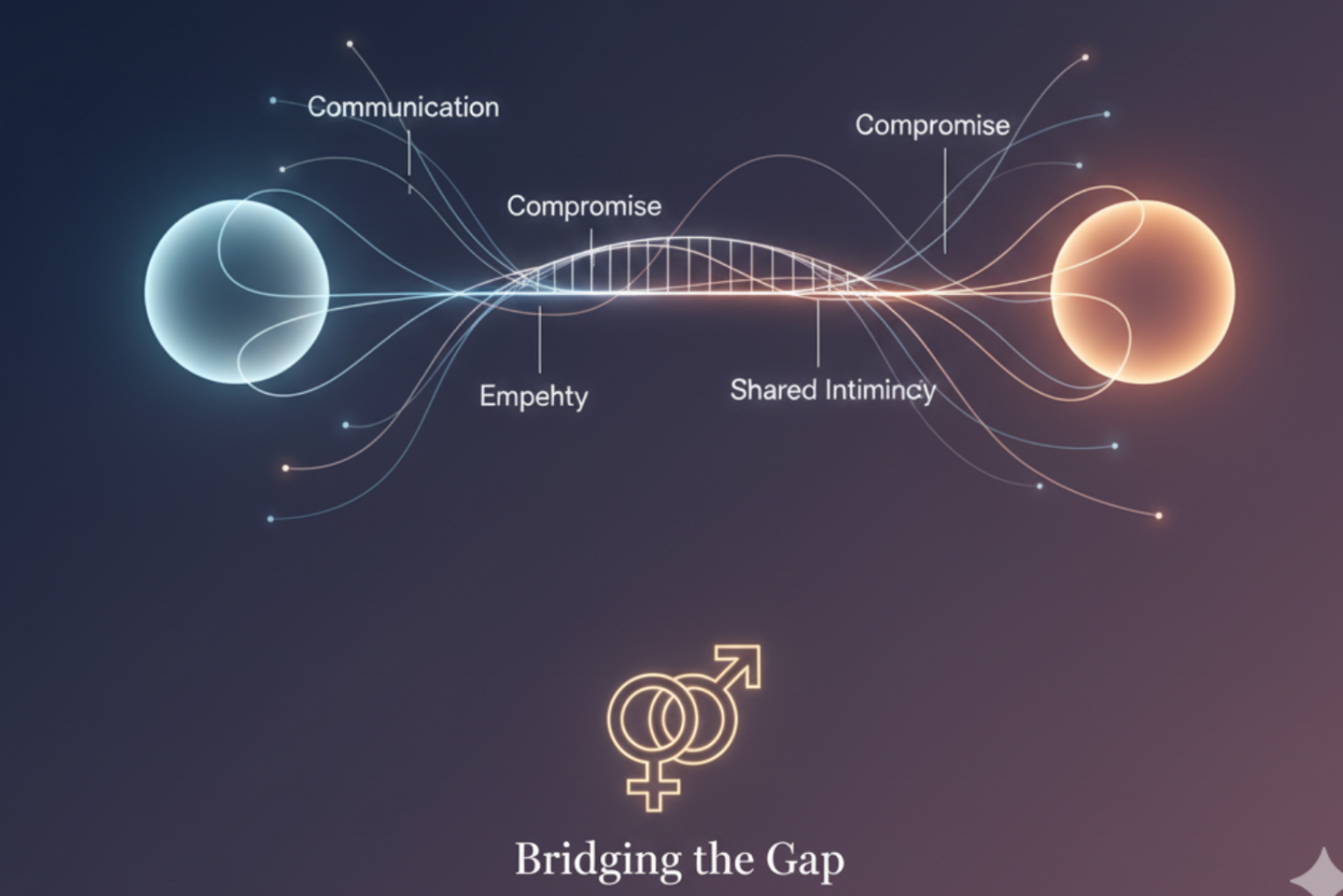
Bridging Desire Gaps: Sexologist for Male How Couples Can Navigate Differences in Sexual Needs

Sexologist for Male Differences in sexual desire are common in relationships and can silently create tension, misunderstandings, and emotional distance between partners. Addressing these differences early can strengthen intimacy, trust, and emotional connection with Sexologist for Male. At our clinic, under the expert guidance Sexologist for Male Dr. Arjun Sablok, we provide comprehensive counseling and tailored interventions to help couples understand and navigate differences in sexual desire, fostering a healthier and more satisfying relationship.
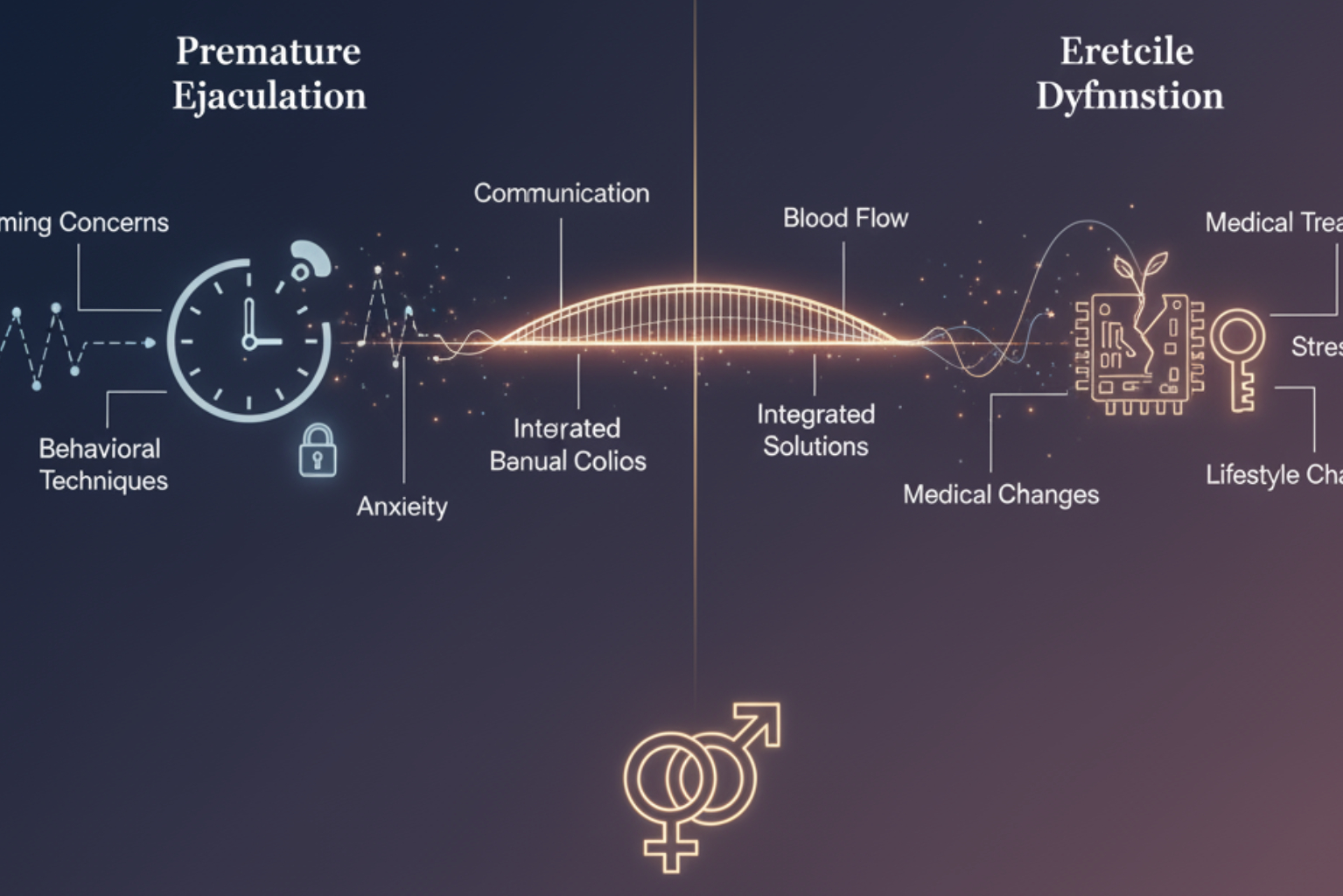
What Are Desire Gaps?

Desire gaps occur when one partner’s sexual interest, frequency, or arousal differs significantly from the other. These gaps can be temporary, due to stress, illness, or fatigue, or persistent due to underlying medical or psychological causes. Recognizing and addressing desire gaps early prevents frustration, resentment, and reduced intimacy over time.

Early Signs: What to Look Out For

  • Discrepancy in sexual interest or frequency
  • One partner feeling rejected or undesired
  • Emotional distance or irritability related to intimacy
  • Avoidance of sexual discussions or physical closeness
If these patterns persist, professional guidance can help realign expectations and improve satisfaction.

Who is at Risk?

Desire gaps can affect any couple, but certain factors increase likelihood, including:
  • Stress, fatigue, or work-related pressure
  • Hormonal changes such as menopause, low testosterone, or thyroid issues
  • Medical conditions affecting mood, blood flow, or energy
  • Psychological factors: depression, anxiety, or past trauma
  • Relationship dynamics, unresolved conflicts, or communication issues

Diagnosis: Understanding the Root Cause with Sexologist for Male

Dr. Arjun Sablok performs a holistic assessment, including:
  • Medical evaluation for hormonal or physiological causes
  • Psychological screening for stress, depression, or anxiety
  • Relationship counseling to identify communication or intimacy barriers
  • Lifestyle assessment for diet, sleep, and activity patterns
By understanding both individual and relational factors, a personalized plan can be created for lasting improvement.

Treatment Options: Collaborative and Tailored Approaches

1. Sexologist for Male and Female “Couples Counseling”

  • Open communication exercises to discuss desires and boundaries
  • Conflict resolution strategies to manage intimacy-related disagreements
  • Guided sexual education to normalize differences and expectations

2. Sexologist for Male Individual Therapy

  • Address stress, anxiety, or past trauma impacting desire
  • Psychological techniques to improve self-esteem and sexual confidence

3. Medical and Hormonal Interventions

  • Treatment for hormonal imbalances such as testosterone therapy
  • Addressing medications that may reduce sexual desire
  • Medical management of chronic illnesses affecting libido

4. Lifestyle Modifications

  • Stress management through yoga, meditation, or mindfulness
  • Regular exercise and a balanced diet to boost energy and mood
  • Creating shared intimacy routines and quality time with partner

Why Choose Dr. Arjun Sablok Sexologist for Male?

  • Over 20 years of experience in sexual health and couples therapy
  • Specialist in resolving complex desire mismatches
  • Confidential, empathetic, and personalized care
  • Combines medical, psychological, and lifestyle approaches for long-term success
“Bridging sexual desire gaps is not just about frequency or performance. It’s about understanding, trust, and intimacy in every aspect of your relationship.” – Dr. Arjun Sablok

Take the Next Step Towards a Harmonious Relationship

Differences in sexual desire don’t have to weaken your bond. With professional guidance, open communication, and personalized interventions, couples can reconnect, restore intimacy, and enjoy fulfilling sexual and emotional relationships.
early ejection problem solution

Overcoming Sexual Anxiety: Reclaiming Confidence and Pleasure, Early Ejection Problem Solution.

early ejection problem solution | best treatment for erectile dysfunction Sexual anxiety can silently affect intimacy, self-esteem, and overall relationship satisfaction. Early ejection problem solution, best treatment for erectile dysfunction, worrying about performance, appearance, or sexual response can prevent individuals and couples from enjoying fulfilling sexual experiences. At our clinic, under the expert guidance of Dr. Arjun Sablok, we provide evidence-based strategies and personalized therapy to help patients overcome sexual anxiety, regain confidence, and restore pleasure in their sexual lives.

What is Sexual Anxiety?

Sexual anxiety is excessive worry or fear related to sexual activity, often triggered by:
  • Performance concerns such as maintaining an erection or reaching orgasm
  • Body image issues or self-consciousness about appearance
  • Past negative sexual experiences or trauma
  • Relationship stress or unresolved conflicts
This anxiety can lead to avoidance of sexual intimacy, reduced arousal, and a vicious cycle of stress and dissatisfaction.

Early Signs: What to Look Out For

  • Persistent worry about sexual performance
  • Difficulty achieving or maintaining arousal
  • Premature ejaculation or delayed orgasm linked to stress
  • Avoidance of intimacy or sexual situations
  • Physical symptoms such as rapid heartbeat, sweating, or muscle tension before or during sex
If these issues continue, professional help can restore confidence and enjoyment.

Who is at Risk?

Sexual anxiety can affect anyone, but certain factors increase susceptibility:
  • History of sexual trauma or abuse
  • High levels of stress or anxiety disorders
  • Relationship difficulties or unresolved conflicts
  • Performance pressure, unrealistic expectations, or comparison to others
  • Medical conditions affecting sexual function, such as erectile dysfunction or hormonal imbalances

Diagnosis: Understanding the Root Cause of early ejection problem solution

Dr. Arjun Sablok conducts a comprehensive assessment to identify psychological, relational, and physiological contributors to sexual anxiety:
  • Medical evaluation to rule out underlying conditions
  • Psychological assessment for anxiety, depression, or trauma
  • Relationship counseling to address communication or intimacy barriers
  • Lifestyle assessment for sleep, nutrition, and stress management

Treatment Options: Evidence-Based Strategies

1. Cognitive Behavioral Therapy (CBT)

  • Helps identify and challenge negative thought patterns
  • Reduces performance anxiety and catastrophic thinking
  • Reinforces positive sexual self-image and confidence

2. Sensate Focus Exercises

  • Gradual, structured intimacy exercises designed to reduce anxiety
  • Focuses on touch, pleasure, and connection without performance pressure
  • Strengthens physical and emotional intimacy between partners

3. Mindfulness and Stress Reduction

  • Breathing techniques, meditation, and yoga to reduce physiological arousal related to anxiety
  • Enhances focus on present-moment sensations during sexual activity

4. Medical Interventions

  • Addressing erectile dysfunction or hormonal imbalances that contribute to anxiety
  • Prescription medications only when appropriate and closely monitored

5. Couples Counseling

  • Open communication about desires, boundaries, and fears
  • Strengthens trust, empathy, and mutual understanding

Why Choose Dr. Arjun Sablok for best treatment for erectile dysfunction?

  • Over 20 years of experience in sexual health and relationship therapy
  • Specialist in treating performance anxiety and sexual dysfunctions
  • Confidential, empathetic, and tailored approach
  • Combines medical, psychological, and relational strategies for lasting results
“Sexual anxiety is not a flaw or failure early ejection problem solution, best treatment for erectile dysfunction. With guidance, patience, and the right approach, confidence and pleasure can be fully restored.” – Dr. Arjun Sablok

Take the Next Step Towards Sexual Confidence

Sexual anxiety doesn’t have to control your life. With professional care, practical strategies, and supportive therapy, you can reclaim confidence, enjoy intimate relationships, and experience the pleasure you deserve. Contact us Today